Cala Varques, Mallorca: The Ultimate Guide (2026)
Mallorca's last virgin frontier. No buildings, no bars, no compromise. Experience crystal-clear turquoise waters and dramatic limestone cliffs—if you are prepared for the journey.
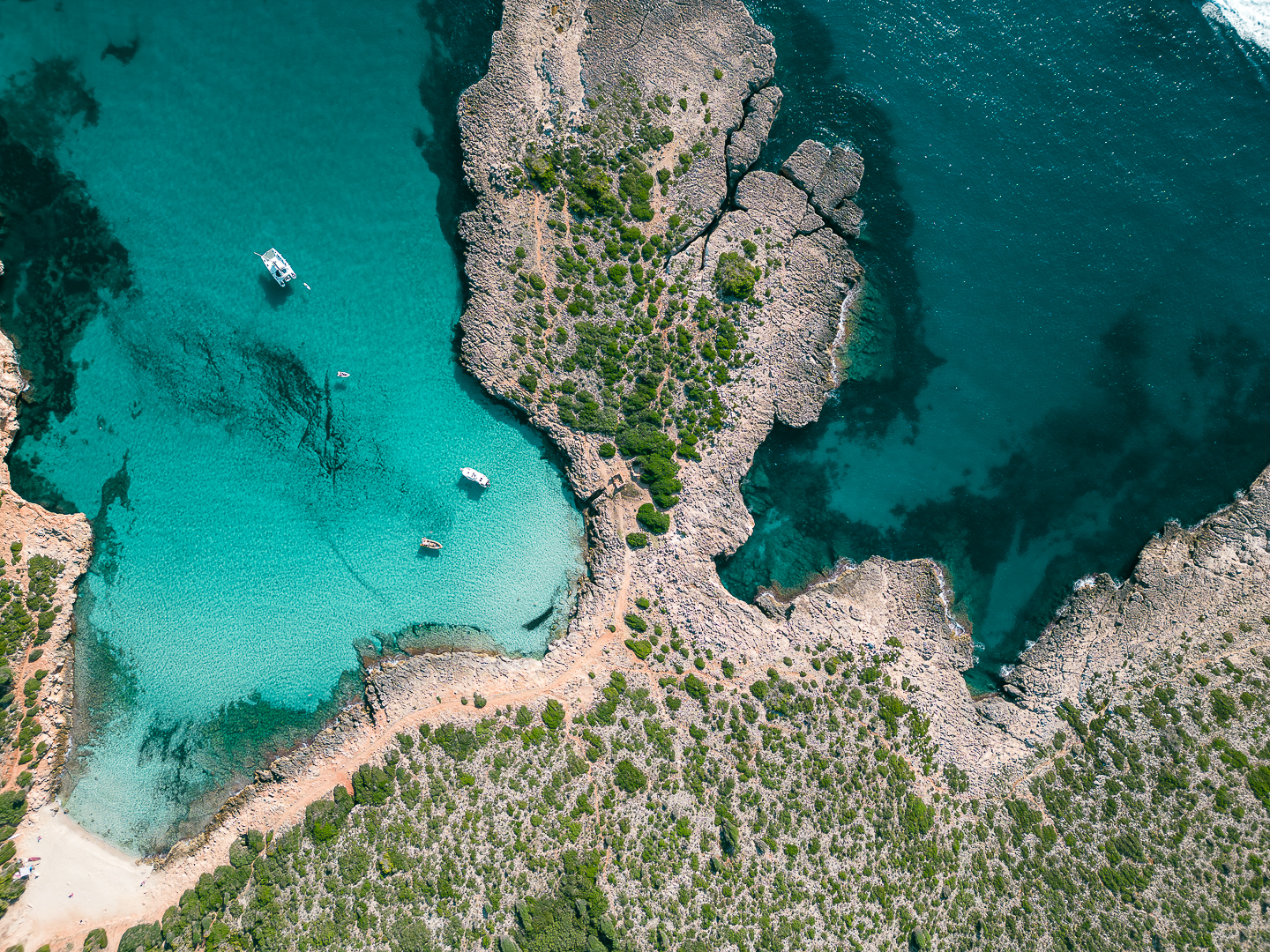
⚠️ 2026 Access Warning: Read Before Traveling
Parking Status
The 'old curve' parking area is permanently closed with concrete barriers.
Enforcement
Local police issue heavy fines for vehicles parked on the hard shoulder of Ma-4014.
Access
Direct car access to the beach is IMPOSSIBLE. You must hike or arrive by sea.
How to Arrive
Two proven routes to Cala Varques in 2026
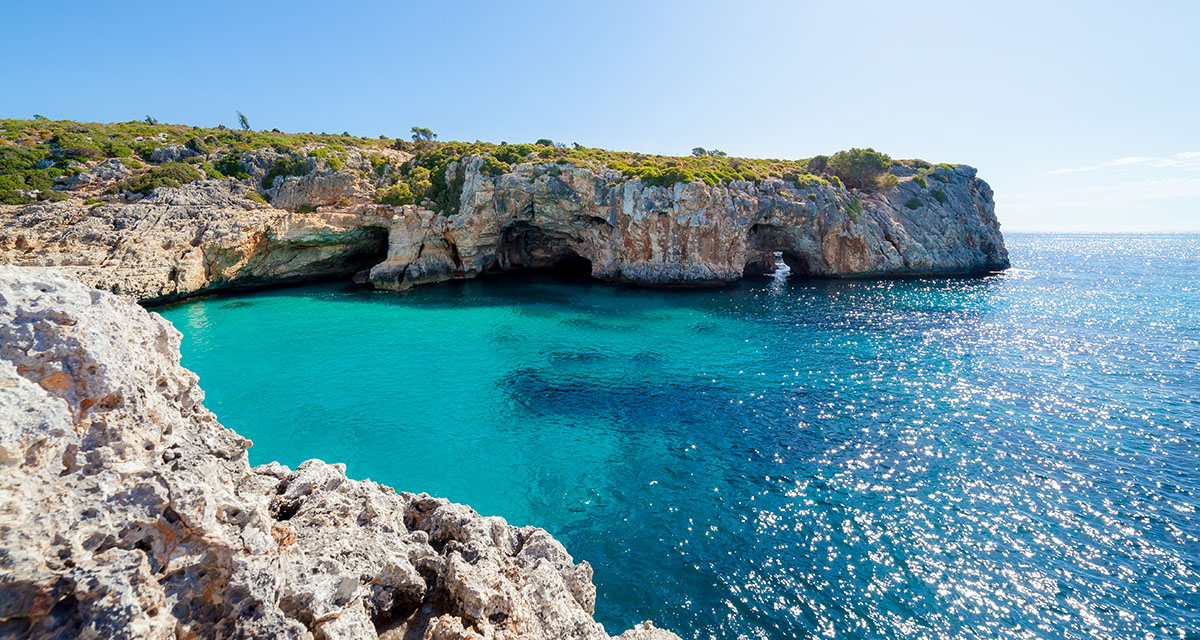
The Sea Route (Highly Recommended)
Avoid the 60-minute hike and parking risks by arriving directly from the Mediterranean.
Departure
Porto Cristo Harbor (5.4 km from Cala Varques)
Duration
2 hours
Includes
Professional guide, snorkeling equipment (mask, snorkel, fins), and boat transit
Highlights
Swim in turquoise waters and view 'Cova des Coloms' from the water
Best For
Families, snorkelers, and those avoiding the heat of the hike
The Coastal Hike (From Cala Romàntica or the Road)
A chill, 60-70 minute walk along the coast with astonishing views.
Start Point
Cala Romàntica or the Main Road
Distance
~3.5 km
Time
60-70 minutes
Difficulty
Mild, easy terrain
Terrain
Coastal path. Can be hot in summer.
Important Note
Can be long for kids in high temperatures
The Raw Truth: No Services
Cala Varques is a protected natural area. To keep it virgin, there are zero amenities:
No Amenities Available
- ✕ No Toilets / Showers
- ✕ No Beach Bars (Chiringuitos)
- ✕ No Trash Cans: Everything you pack in, you must carry out
- ✕ No Lifeguards: Swim at your own risk
Essential Packing List
- ✓ Water: 2 liters minimum (Dehydration is the #1 risk)
- ✓ Footwear: Trail shoes or sneakers
- ✓ Sun Protection: There is zero natural shade on the beach
- ✓ Snorkel & Aqua Shoes: Highly recommended. Get them at nicosport.net in Porto Cristo.
⚠️ Dehydration is the #1 risk. Carry 2L+ of water before you start.
Beyond Cala Varques: The Llevant Coast
Cala Varques is the jewel — but the surrounding coastline holds even more secrets. The Natural Park of Llevant stretches along an untouched shore that very few tourists ever reach on foot.
Natural Park of Llevant
One of Mallorca's largest protected natural areas, bordering the eastern cliffs. Home to rare seabirds, ancient pine forests, and hidden coves inaccessible by road.
💡 The park's sea-facing cliffs are best viewed from the water — hiking trails from land only reach the outer boundary.
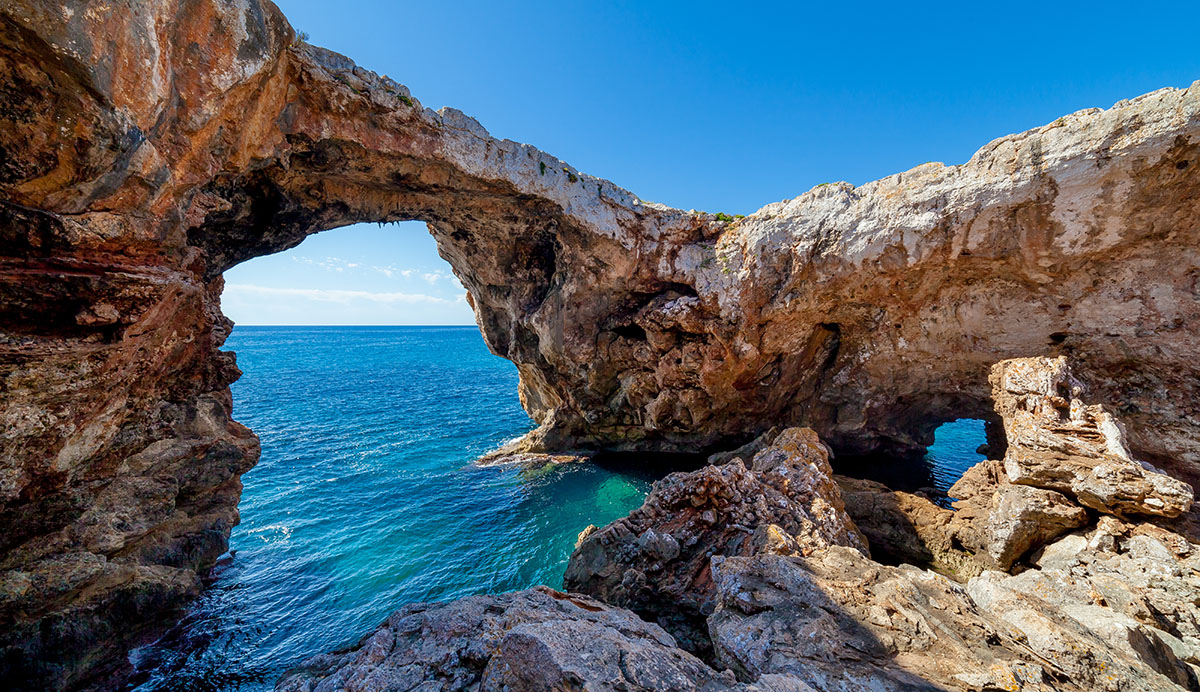
Cova des Coloms
A dramatic sea cave carved into the limestone cliffs of the Llevant coastline, visible only from the sea. Local fishermen have used it as a landmark for centuries.
💡 Skualo Porto Cristo passes directly by the cave entrance on their Natural Park Snorkel Tour.
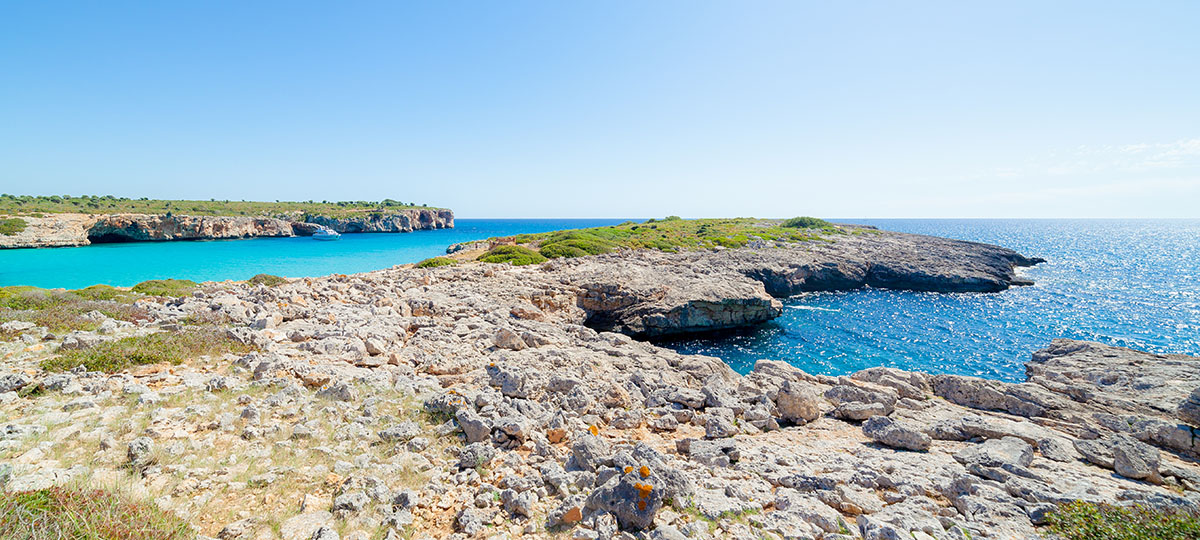
The Llevant Coastline
Stretching from Porto Cristo to Cala Varques and beyond, this wild coast features dramatic cliffs, turquoise inlets, and near-zero tourist infrastructure.
💡 The entire coast is navigable by sea in around 2 hours — making a boat tour the only practical way to see it all.
Explore by Boat with Skualo Porto Cristo
The Natural Park Snorkel Tour departs daily from Porto Cristo harbour and covers the full Llevant coastline — Cala Varques, Cova des Coloms, and the hidden inlets of the Natural Park.
Frequently Asked Questions
Everything you need to know before visiting
Is cliff jumping (Psicobloc) allowed?
While world-famous for it, local authorities have restricted jumping due to safety risks and emergency response difficulty. Emergency access by land is extremely limited. If you jump, you do so entirely at your own risk. Always check water depth first.
Can I take a taxi to the beach?
No. Taxis can drop you at the start of the hiking trails in Cala Romàntica, but they cannot drive to the cove. The old dirt road access is completely blocked.
Is it nudist-friendly?
Yes. Cala Varques has a long-standing tradition of naturism, particularly in the smaller adjacent coves (like Cala Falcó) located just south of the main beach.
What about parking on the Ma-4014?
It is permanently prohibited as of 2026. Local police patrol the area daily and issue heavy fines for vehicles parked on the hard shoulder or blocking gates. Park at Cala Romàntica instead and hike from there, or take the boat tour from Porto Cristo.
How far is it from Palma?
Cala Varques is approximately 50 km east of Palma (about a 1 hour drive to the hiking start point). If you prefer the boat tour, Porto Cristo is roughly 1 hour and 15 minutes from Palma airport.
Are dogs allowed at Cala Varques?
No. According to local Manacor municipal regulations, dogs are not permitted on the beach during the summer season to protect the environment and ensure hygiene.
Are there jellyfish in the water?
Jellyfish (medusas) are occasionally present depending on the wind and currents. Always check the water before swimming and look out for local warnings. If stung, do not rinse with fresh water; use seawater.
Is there mobile phone signal at the beach?
Cellular coverage is extremely patchy and often non-existent down in the cove due to the high limestone cliffs. Download any offline maps or necessary information before you leave your accommodation.
Can I camp or stay overnight?
No. Wild camping, sleeping on the beach, and lighting fires are strictly prohibited by Balearic environmental laws. Fines are severe for violations in this protected natural area.
Are there any shaded areas?
There is zero natural shade on the sand. The surrounding pine trees are set back and mostly inaccessible. You must bring your own parasol or UV tent to avoid severe sunburn.
Is the beach suitable for children?
Yes. However, the 60-70 minute walk might be a bit long for small kids, especially with high summer temperatures. If you have kids, we highly recommend arriving by sea via the Skualo Porto Cristo Boat Tour.
Can I fly a drone?
Flying drones is heavily restricted. The Natural Park of Llevant and surrounding rugged coastline serve as nesting grounds for protected bird species (like the Eleonora's falcon). Professional permits are required.
When is the best time of day to visit?
To avoid the crowds and intense midday heat, arrive either very early (before 9:00 AM) or late in the afternoon (after 5:00 PM). Alternatively, a morning boat tour guarantees a hassle-free visit during peak hours.
Do I need to pay an entrance fee?
Absolutely not! Cala Varques is a 100% public place. If someone at the entrance or on the road asks you for money to park or to enter, DO NOT give them anything; it is a scam.
Are there sea urchins?
Yes, the rocky edges of the cove are teeming with marine life, including sea urchins. If you plan to explore the rocks or snorkel near the cliff bases, water shoes (aqua shoes) are highly recommended.
Is there a lifeguard on duty?
No. Cala Varques is an unserviced virgin beach. There are no lifeguards, no warning flags, and no first aid posts. You swim entirely at your own risk.
Where is the best place to do Psicobloc in Mallorca?
Cala Varques is globally recognized as the absolute best place for Psicobloc in Mallorca. Hundreds of climbers from all over the world gather here to scale its perfect overhanging limestone cliffs.
What is Psicobloc and where do people do it?
Psicobloc, also known as Deep Water Soloing (DWS), is rock climbing above a body of deep water without ropes. If a climber falls, they safely drop into the water. Cala Varques is the absolute mecca for this sport on the island.
Where is the best place to do cliff jumping in Mallorca?
While it is technically illegal and dangerous, Cala Varques is the most famous spot for cliff jumping in Mallorca. Thrill-seekers jump from the iconic natural rock bridge. Please note: you jump entirely at your own risk.
Can I climb the natural rock bridge?
Yes, the natural rock bridge is the central hub for both Psicobloc climbers and cliff jumpers. It's a stunning natural formation, but we strongly advise that only highly experienced climbers attempt it.